
Can Sleep Apnea Cause Dental Problems?
Blog:Can Sleep Apnea Cause Dental Problems?
Date:March 11, 2026
Author:Sweet Tooth Dental Center
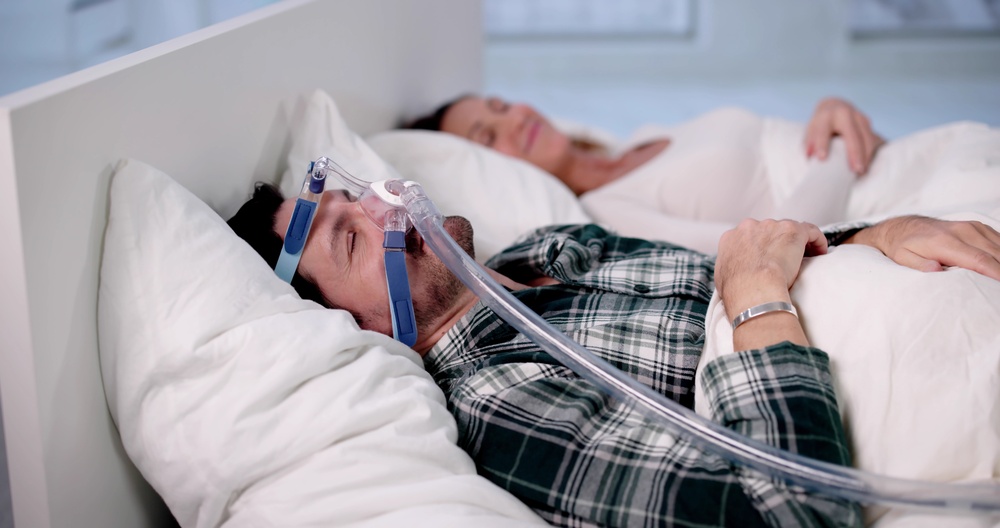
Yes - sleep apnea can contribute to dental problems. Obstructive sleep apnea is linked with oral health issues such as dry mouth, teeth grinding, gum disease, and jaw discomfort. These problems often develop because disrupted breathing during sleep can lead to mouth breathing, reduced saliva, and added strain on the teeth and surrounding tissues.
Dry Mouth Can Raise the Risk of Decay
One of the most common ways sleep apnea affects oral health is through dry mouth. Many people with sleep apnea breathe through their mouth at night, which can reduce saliva. Saliva helps protect the teeth by washing away food particles and balancing acids. When the mouth stays dry, the risk of cavities, bad breath, and gum irritation can increase.
Teeth Grinding May Be Part of the Problem
Sleep apnea is also associated with bruxism, or teeth grinding during sleep. Bruxism can wear down enamel, increase tooth sensitivity, and place extra pressure on the jaw. Over time, this may lead to chipped teeth, discomfort when chewing, or soreness in the jaw muscles. Mayo Clinic notes that sleep bruxism can be connected to sleep-related disorders, including sleep apnea.
Gum Health May Be Affected Too
Research also suggests an association between obstructive sleep apnea and periodontal disease. Inflammation, dry mouth, and changes in the oral environment may all play a role. While not every person with sleep apnea will develop gum disease, the condition can make it more important to stay on top of cleanings, exams, and early treatment if symptoms appear.
Signs That May Point to Sleep Apnea and Oral Health Issues
Some dental and oral symptoms may raise concern when they appear alongside snoring, poor sleep, or daytime fatigue. These may include:
Dry mouth in the morning
Worn or flattened teeth
Jaw soreness or tension
Frequent headaches after sleep
Increased tooth sensitivity
Ongoing gum irritation
These signs do not confirm sleep apnea on their own, but they may be an important reason to talk with both a physician and a dentist.
Treatment Can Help Protect More Than Sleep
Managing sleep apnea may support both overall health and oral health. In some cases, treatment may involve CPAP therapy. In others, an oral appliance may be recommended to help keep the airway open during sleep. Cleveland Clinic notes that oral appliance therapy can be an option for certain patients with obstructive sleep apnea, especially when CPAP is not tolerated. Addressing the underlying sleep issue may also help reduce grinding, dryness, and ongoing dental wear.
Why a Dental Evaluation Matters
Dentists may notice early signs of sleep apnea before a patient realizes there is a problem. Worn teeth, dry mouth, and jaw strain can all point to a larger sleep-related issue. Sweet Tooth Dental Center provides dental care in Thousand Oaks and can help evaluate oral health concerns that may be related to nighttime breathing problems.
If you are noticing signs of sleep apnea and dental problems, contact Sweet Tooth Dental Center in Thousand Oaks, California by calling (805) 500-7100 or visiting 77 Rolling Oaks Dr. Suite# 104, Thousand Oaks, CA 91361.
Helpful Articles
article_category: eye surgery co-management
article_category: eyeglasses
article_category: general
article_category: conditions
article_category: FAQ and tips
article_category: cats
article_category: ocular disease management
article_category: services
article_category: large animal
article_category: health
article_category: products
article_category: vision therapy
article_category: aesthetics
article_category: contact lenses
article_category: surgical procedures
article_category: preventative
article_category: restorative
article_category: cosmetic
article_category: dogs
article_category: technology
article_category: eye health
article_category: exotic
article_category: psychiatry
[]
article_category: eyeglasses
article_category: general
article_category: conditions
article_category: FAQ and tips
article_category: cats
article_category: ocular disease management
article_category: services
article_category: large animal
article_category: health
article_category: products
article_category: vision therapy
article_category: aesthetics
article_category: contact lenses
article_category: surgical procedures
article_category: preventative
article_category: restorative
article_category: cosmetic
article_category: dogs
article_category: technology
article_category: eye health
article_category: exotic
article_category: psychiatry
[]
Flowbite is an open-source library of interactive components built on top of Tailwind CSS including buttons, dropdowns, modals, navbars, and more.
Check out this guide to learn how to get started and start developing websites even faster with components on top of Tailwind CSS.
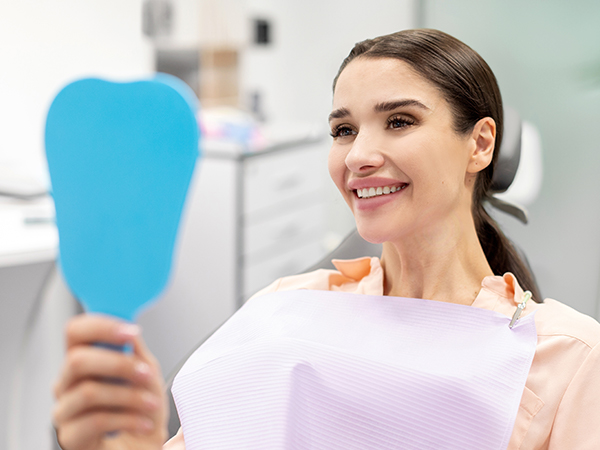
All Dental Services
We offer a wide variety of dental services to the Thousand Oaks community. Contact us with any questions about our services.
Keep In Touch
For non-urgent questions or to learn more about our services, contact us today!
© 2026 Sweet Tooth Dental Center. All rights Reserved - Accessibility Statement - Privacy Policy - Sitemap
Managed and Designed by 